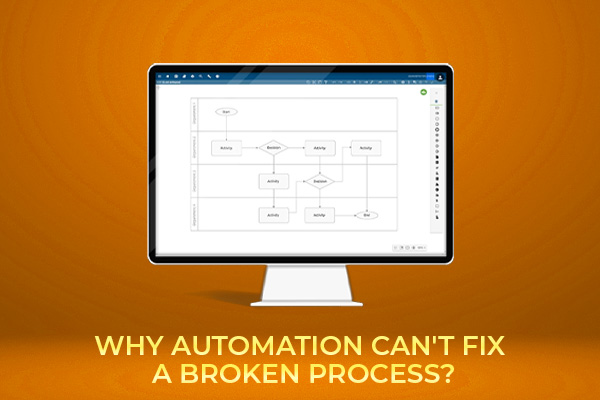
Why Automation Can’t Fix a Broken Process
Efficiency Chaos: Why Automation Can’t Fix a Broken Process Fellow leaders, imagine pouring fortunes into cutting-edge tools, only to watch their teams drown in amplified disarray. As founder of an organisation specialising in Freshworks, Zoho, and Leadsquared implementations, I’ve seen this situation unfold repeatedly. Digital transformation promises efficiency, yet without confronting core process flaws, it delivers chaos on steroids. This white paper pulls back the curtain on why automation alone falls flat, urging a bolder approach: redesign first, digitise second. Drawing from frontline experiences, let’s rethink how we build resilient operations that truly drive growth. The Digital Lipstick Fallacy Picture this: your sales team juggles clunky spreadsheets, emails ping-ponging for approvals, and data silos that breed errors. Now, slap on a shiny CRM without a rethink—voilà, you’ve got automated anarchy. The harsh truth? Automating inefficiency doesn’t cure it; it supercharges the mess, turning minor hiccups into major meltdowns at scale. I’ve advised clients who’ve spent six figures on tool integrations, only to discover their “transformed” workflows still haemorrhage time due to unaddressed redundancies. Software is a multiplier—if your base process is flawed (say, zero true efficiency), even 10x speed yields spectacular failure. Instead, start with diagnostics: map pain points, eliminate duplicates, then let tools amplify streamlined flows. The result? Not just faster ops, but smarter, sustainable ones that free your team for what matters—closing deals, not wrestling systems. Paving the Cow Path How often do we cling to “the way it’s always been,” digitising relics without a second glance? This “paving the cow path” trap plagues implementations, embedding waste into code. Why notify four approvers for a lead when AI could validate instantly? True efficiency demands Business Process Re-engineering (BPR): radically questioning and axing legacy steps before tech enters the fray. Take Ford’s iconic overhaul: its 500-strong accounts payable team manually matched invoices. BPR slashed staff by 75% through automated three-way validation prior to digitisation. Or IBM Credit: weeks-long loan approvals became hours via single-case managers and integrated systems. In modern terms, a client using a particular CRM faced lead qualification delays from siloed approvals; BPR empowered reps with scoring thresholds, cutting time by 70%. We’ve applied this across many of our implementation projects, merging fragmented outreach into omnichannel automation—boosting conversions by 3x. BPR isn’t optional; it’s the blueprint for turning tools into triumphs, ensuring your processes evolve with your ambitions. The Psychology of the First 14 Days Technology dazzles, but people power success. Or doom it. The fateful first fortnight of any rollout isn’t about flawless APIs; it’s a psychological battleground. If your team sees the new CRM dashboard as Big Brother rather than a booster, they’ll game the system, tainting data and torpedoing ROI. Change Management Psychology is key: map emotional hurdles early. In our implementations, we run workshops uncovering fears—like “Will this automate me out?”—then reframe tools as allies. For instance, integrating conversational AI chatbots eases onboarding, making the CRM of choice feel intuitive rather than intrusive. One client shifted perceptions by gamifying adoption, turning resistance into enthusiasm. Result? 90% uptake in weeks. Address the human element first: foster trust, demonstrate wins, and watch adoption soar. After all, efficiency thrives when people embrace the change, not endure it. The “Feature Overload” Sabotage In the rush for “enterprise-grade,” we hoard features like treasures; 500 options sound impressive, yet teams cling to five, bewildered by the rest. This overload sabotages adoption, turning powerful platforms into distracting mazes. Embrace Minimum Viable Process (MVP): strip to essentials, prove manually, then scale. We’ve seen our implementation users overwhelmed by bells and whistles; by focusing on core bottlenecks like automated lead nurturing, we saw ROI jump 3x. Ditch the bloat: question each feature’s value. Does it solve a real pain, or add noise? In our chatbot integrations, lean configs yield faster results. Remember, simplicity breeds mastery, complexity, and abandonment. Prioritise clarity, and watch your tools transform from burdens to breakthroughs. Garbage In, Automated Garbage Out (GIAGO) Feed automation junk, and it spits out amplified junk. Messy leads, inconsistent naming? Tools implemented thoughtlessly will propagate a “data cancer” ecosystem-wide in seconds, eroding decision-making and trust. Data Governance at entry is non-negotiable: standardise inputs for “clean pipes.” In CRM implementation projects, we’ve enforced this via AI validation, slashing errors by 80%. One firm ignored it, automating silos—resulting in polluted analytics. But with governance, chatbots capture pristine data, fuelling accurate insights. Prioritise quality over velocity: clean flows ensure automation delivers gold, not garbage. It’s the foundation for reliable, scalable operations. Move from “Software Buyer” to “Architect” It’s time to shed the buyer hat and don the architect’s. Tools are commodities; your proprietary edge lies in process design. Dedicate 80% to workflows, 20% to selection, is our mantra for success. We’ve architected for clients: reengineering sales funnels before deployment, yielding 50% faster cycles. This mindset crafts cultures where automation aligns with goals, not fights them. Lead with vision: redesign boldly, integrate wisely. The payoff? Enduring efficiency that propels your enterprise forward. In summation, chaos lurks when we automate without architecture. Let’s pioneer process-first innovation. Reach out—together, we’ll build unbreakable foundations.